Training & Nutrition Guide 2026
How to Lose Weight Cycling
The Complete 2026 Guide
The straightforward guide to using cycling for fat loss — covering calorie math, training zones, weekly volume, nutrition timing, and the mistakes that stall most riders’ progress.
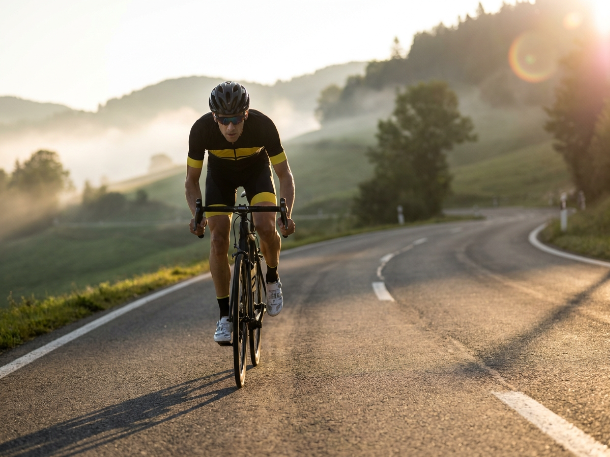
Cycling is one of the most effective tools for fat loss — not because of any metabolic magic, but because it creates a substantial calorie deficit while being low enough impact that most people can do it 5 days per week without getting injured. The science is simple; the execution is where most riders go wrong.
The Science
How Cycling Burns Fat
A 70kg rider cycling at moderate intensity (roughly 18–22 km/h on flat terrain) burns approximately 400–500 calories per hour. At higher effort — group rides, hills, or interval sessions — that figure climbs to 600–800 calories per hour. Over time, this calorie expenditure creates the deficit that drives fat loss.
The key physiological advantage of cycling over most other exercises is the low impact loading on joints. A runner doing 8 km/h for 60 minutes is accumulating impact stress that limits how often they can train. A cyclist at equivalent cardiovascular intensity can train daily for weeks without the same joint stress. More total training hours mean more total calorie burn — that’s the core case for cycling as a fat-loss tool.
| Intensity | Speed (flat) | Cal/hr (70kg rider) | Fat Used |
|---|---|---|---|
| Very easy (recovery) | 14–17 km/h | ~280–320 | High % |
| Easy Zone 2 | 18–23 km/h | ~380–480 | Highest total fat |
| Moderate (Zone 3) | 24–28 km/h | ~500–600 | Mixed fuel |
| Hard (Zone 4–5) | 28–35+ km/h | ~650–850 | Mostly carbs |
The 7,700 rule: 1kg of body fat contains roughly 7,700 kilocalories. A 500 calorie/day deficit — achievable with 3–4 rides per week plus modest dietary adjustment — produces approximately 0.5kg of fat loss per week. Expect 1–2kg per month as a realistic, sustainable target.
Training Intensity
The Right Zone for Fat Loss
Your body burns a mix of fat and carbohydrates at all cycling intensities. The ratio shifts dramatically with effort: at low intensity (Zone 2), fat contributes 50–60% of fuel; at very high intensity (Zone 5), it contributes less than 10%. This doesn’t mean Zone 2 is automatically the “best” for fat loss — absolute calorie burn also matters — but it explains why most fat-loss advice centers on building aerobic base volume.
Zone 1
50–60% Max HR
Recovery pace. Low calorie burn. Use for active recovery days only.
Zone 2 ★
60–70% Max HR
Fat-burning sweet spot. Conversational pace. Stack as much of this as possible.
Zone 3
70–80% Max HR
Tempo pace. High calorie burn but stimulates appetite significantly.
Zone 4–5
80–95% Max HR
Intervals. Maximum calorie burn, but requires more food to recover.
For fat loss, build your training week primarily around Zone 2 rides — where you can hold a conversation but your breathing is elevated. This intensity maximizes mitochondrial development, fat oxidation efficiency, and crucially, it leaves you less depleted, so you’re less likely to overeat after training. One or two harder sessions per week (intervals or a tempo ride) add total calorie burn without dominating your schedule.
To find your Zone 2 without a heart rate monitor: ride at a pace where you can speak in full sentences but wouldn’t want to continue a long conversation. If you’re too breathless to speak, you’re above Zone 2. If you feel nothing, you’re below it.
Weekly Volume
How Much to Ride Per Week
For meaningful fat loss from cycling, aim for a minimum of 150 minutes of moderate cycling per week — that’s 3 rides of 50 minutes each. This is the threshold at which calorie expenditure becomes significant enough to drive body composition changes, even without dramatic dietary changes. Below this threshold, cycling improves fitness but the fat-loss effect is modest.
The sweet spot for most riders focused on fat loss is 6–10 hours per week across 4–6 sessions. More than that starts to require careful fueling to avoid both under-recovery and the appetite-overshoot problem (training so hard you end up eating more than you burned). Here’s how to build toward that weekly volume:
BEGINNER — WEEKS 1–4
3 rides per week · 30–45 minutes each
Ride at Zone 2 pace on flat to rolling terrain. Total weekly volume: 90–135 minutes. Focus on building the habit and improving your baseline aerobic fitness. Don’t push to Zone 4 or 5 yet — your cardiovascular system isn’t ready to recover from it quickly, and the increased appetite that follows high-intensity work will likely offset your deficit.
INTERMEDIATE — WEEKS 5–8
4 rides per week · 45–60 minutes each
Add a fourth ride and extend ride duration to 45–60 minutes. Total weekly volume: 180–240 minutes. By week 6, introduce one moderate-intensity session (Zone 3) per week — a tempo ride on your mid-week session. Keep the other three rides at Zone 2. Expect visible body composition changes by the end of this phase.
ESTABLISHED — WEEKS 9–12
5 rides per week · 45–90 minutes each
Add one long weekend ride (90 minutes+) at Zone 2. Keep two shorter Zone 2 sessions and one tempo or interval session midweek. Total weekly volume: 5–8 hours. At this volume and intensity split, expect 0.5–1kg fat loss per week if dietary intake is managed appropriately. One full rest day per week is mandatory.
Nutrition Strategy
How to Eat While Training for Fat Loss
Nutrition is where most cyclists’ fat-loss efforts break down. Cycling dramatically increases appetite — particularly after long or high-intensity rides — and sports nutrition products (energy gels, bars, sports drinks) are calorie-dense and easy to overeat. The goal is to fuel training well enough to perform and recover, while maintaining a total daily calorie deficit that drives fat loss.
The fueling threshold: 90 minutes
For rides under 90 minutes at moderate intensity, you don’t need to eat during the ride. Your glycogen stores (roughly 500–600 calories’ worth) are sufficient, and riding without mid-ride carbs lets your body oxidize more fat during the session. Drink water, not sports drink.
For rides over 90 minutes, or any high-intensity session, take in 30–60 grams of carbohydrates per hour from the 45-minute mark onward. This prevents glycogen depletion that causes bonking, without providing so many calories that you eliminate your deficit. Bananas, rice cakes, or a single gel at the right moment work fine — you don’t need a full suite of sports nutrition products.
Daily calorie target
A deficit of 300–500 calories per day produces 0.3–0.5kg of fat loss per week and is sustainable long-term without significant muscle loss or performance decline. A larger deficit (700+ cal/day) often leads to muscle breakdown, poor training quality, fatigue, and ultimately diet failure. Use a TDEE calculator as a starting point, then subtract 300–500 calories from your maintenance level — don’t start below that.
Protein is non-negotiable: Eat at least 1.6–2.0g of protein per kg of bodyweight per day while in a calorie deficit. Protein preserves muscle mass during fat loss. Without it, a portion of the weight you lose will come from muscle, not fat — which drops your metabolic rate and makes sustained fat loss harder.
Post-ride eating
After any ride over 60 minutes, eat a mixed meal of protein and carbohydrates within 60–90 minutes of finishing. This is not optional — skipping post-ride nutrition leads to poor recovery, increased muscle breakdown, and higher hunger later in the day (which typically leads to overeating at dinner). A 400–500 calorie post-ride meal containing 30–40g protein is the standard.
The compensation trap: The most common reason cyclists don’t lose weight is eating back more calories than they burned. A 60-minute Zone 2 ride burns roughly 400 calories. A large sports drink, a cereal bar, and a coffee with full-fat milk can add 350–400 calories — wiping out the entire session. Track your intake for one week to see whether this is happening to you.
Common Mistakes
Why Cyclists Don’t Lose Weight (And How to Fix It)
1. Riding too hard, too often
High-intensity riding (Zone 4–5) is excellent for performance but poor for fat loss in isolation. It significantly increases hunger, requires more carbohydrate to fuel, and leaves you depleted in ways that often lead to overeating. If every ride is a hard effort, you’re training your appetite more than your fat-burning system. Fix: shift 70–80% of your riding volume to Zone 2.
2. Under-fueling and then bingeing
Cutting calories dramatically while training hard creates a physiological debt that gets repaid — with interest. Your body increases hunger hormones (ghrelin), decreases satiety hormones (leptin), and you end up eating more in the 24 hours after training than you saved. Fix: maintain a modest 300–500 calorie deficit, never starve yourself around training days.
3. Rewarding rides with high-calorie foods
“I rode 40km so I deserve this pizza” is a behavioural pattern that erases weeks of progress. 40km at moderate pace burns approximately 500–700 calories. A large pizza with drinks can contain 1,500–2,000 calories. Fix: pre-plan post-ride meals rather than deciding what to eat while hungry and tired.
4. Not tracking anything
Most people underestimate calorie intake by 20–40% when not tracking. This isn’t deception — human memory is genuinely poor at estimating portion sizes and calorie density. You don’t need to track forever, but 2–3 weeks of honest logging will reveal patterns you’re not aware of. Fix: use a food diary app for 2–3 weeks to calibrate your awareness.
5. Expecting too much too fast
Sustainable fat loss from cycling takes 8–12 weeks to show clearly on a scale, and longer to be obvious visually. Beginners often quit after 3–4 weeks because “it’s not working.” It is working — it’s just slower than expected. Fix: measure weekly averages, track resting heart rate and fitness improvements alongside weight, and commit to at least 12 weeks before judging results.
Training Plan
Sample 4-Week Starter Plan
This plan is designed for riders with some cycling experience — able to comfortably ride for 30 minutes. Each week adds modest volume. All “moderate” sessions are Zone 2 unless specified.
| Week | Mon | Wed | Fri | Sat/Sun | Total |
|---|---|---|---|---|---|
| Week 1 | Rest | 30 min moderate | Rest | 45 min moderate | 75 min |
| Week 2 | Rest | 40 min moderate | 30 min easy | 60 min moderate | 130 min |
| Week 3 | 30 min easy | 45 min moderate | Rest | 75 min moderate | 150 min |
| Week 4 | 30 min easy | 45 min moderate + 10 min tempo | 30 min easy | 90 min moderate | 195 min |
Rest day protocol: On rest days, walk 20–30 minutes if possible. Light activity keeps your metabolism active without adding recovery demand. Don’t use rest days as eating recovery days — your calorie target stays the same as training days (or slightly lower).
FAQ
Fueling your rides right? Read our complete guide: What to Eat Before and After Cycling — timing, food choices, and recovery meals.
Common Questions
How long should I cycle to lose weight?
Aim for 150–250 minutes per week of Zone 2 cycling — 3 to 5 sessions of 45–60 minutes each. Below that threshold, calorie burn is modest and the fat-loss effect is slow. Above it, results accelerate. Rides over 45 minutes also tap deeper into fat stores as glycogen partially depletes, increasing the fat-oxidation percentage during the later portion of each session.
Is cycling better than running for weight loss?
Calorie-for-calorie at equivalent intensity, they’re similar. But cycling’s low impact means most people can do more volume per week without injury — 5–6 rides per week is manageable; 5–6 runs per week causes most people problems. More total weekly volume means more total calorie burn. For sustainable long-term fat loss, cycling wins on volume potential and adherence.
Can you lose weight cycling 30 minutes a day?
Yes, if overall calorie intake is managed. 30 minutes at moderate intensity burns roughly 250–300 calories for a 70kg rider. That’s meaningful alongside a modest dietary deficit. Use daily 30-minute rides to build the habit and improve fitness, then extend to 45–60 minutes as your fitness improves. Consistent daily 30-minute rides + a 300 cal/day dietary deficit will produce visible fat loss within 6–8 weeks.
Should I cycle fasted for weight loss?
Fasted cycling (before breakfast) increases fat oxidation during the ride, but total daily fat loss depends on overall calorie balance. Short fasted rides under 60 minutes at Zone 2 are safe and work well for many riders. Avoid fasted sessions over 90 minutes or at high intensity — the risk of muscle breakdown and poor recovery outweighs the marginal fat-oxidation benefit. Try it on shorter easy rides and assess how it affects your hunger later in the day.
Why am I not losing weight despite cycling a lot?
The most common culprit is calorie compensation — eating back more than you burned, often unconsciously. Cycling dramatically increases appetite, and sports nutrition products add up fast. Track your calories for one week to find the gap. Second most common: riding too hard too often, which shifts fuel use toward carbohydrates and increases post-ride hunger. More Zone 2 miles and honest food tracking are the standard fix.
© 2026 CyclistStyle · All rights reserved
One Response