Helmet Buyer’s Guide 2026
Best Bike Helmets 2026
Safest Picks for Road, MTB & Every Budget
Five helmets tested across road, MTB, and budget categories — with Virginia Tech STAR ratings, honest weight and ventilation breakdowns, and a clear answer on whether a $350 helmet is actually safer than an $80 one.
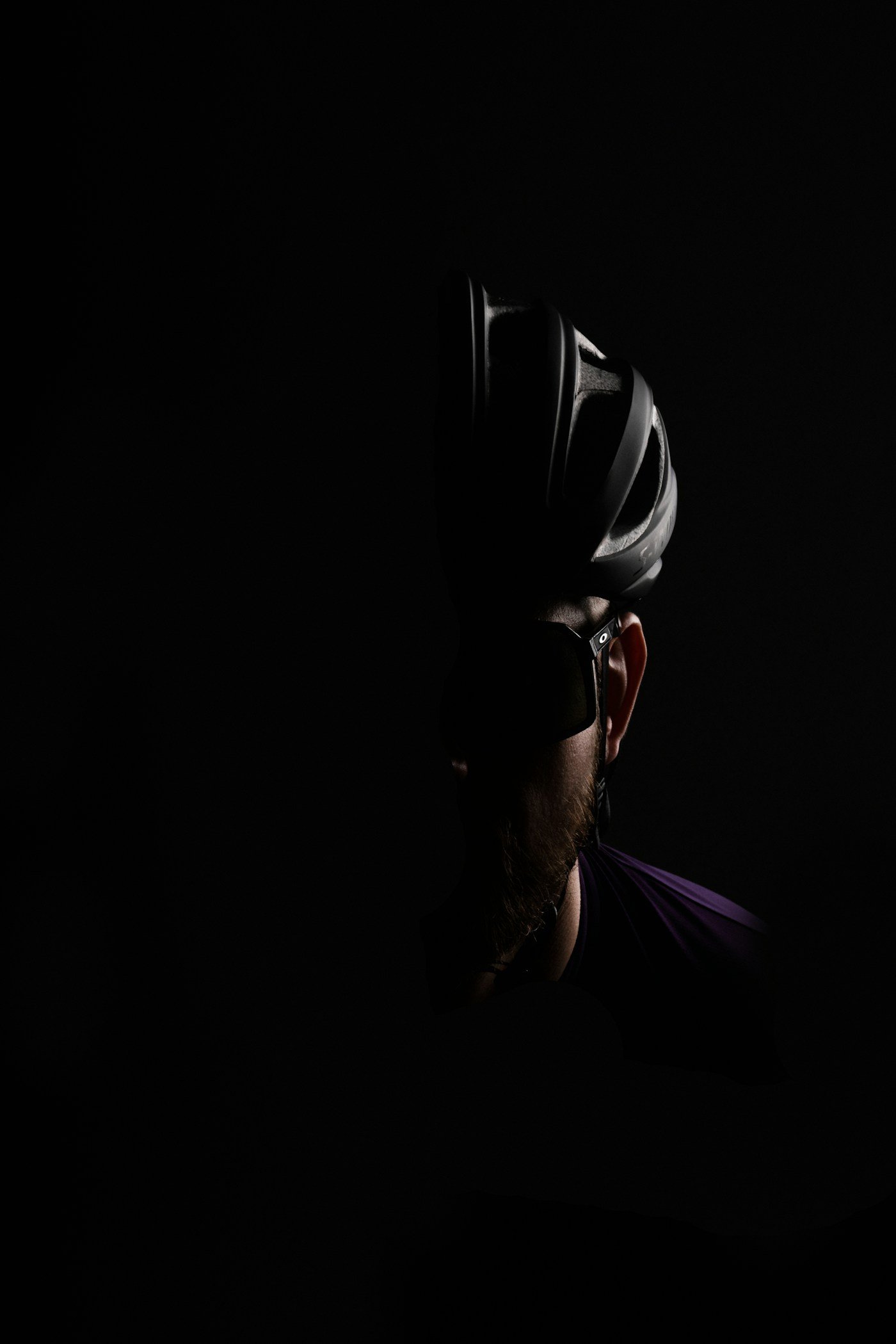
Virginia Tech updated its helmet criteria in July 2025, making the current 5-star rating significantly harder to achieve — only 155 helmets out of hundreds tested earn 4 or 5 stars. Every helmet on this list meets that threshold. The short answer on price vs. safety: the $80 Lazer earns the same 5 stars as the $350 Giro. What you’re paying for above that baseline is weight, ventilation, and fit — not protection.
Quick Comparison
All 5 Helmets at a Glance
| Helmet | Price | Virginia Tech | Weight (M) | Best For |
|---|---|---|---|---|
| Giro Aries Spherical | $350 | ★★★★★ #1 score | 270g | Best Overall / Safest |
| Trek Velocis MIPS | $299 | ★★★★★ | 260g | Best All-Rounder |
| POC Axion Race MIPS | $180 | ★★★★★ | ~285g | Best MTB / Trail |
| Specialized Propero 4 MIPS | ~$125 | ★★★★ | ~270g | Best Mid-Range Road |
| Lazer Tonic KinetiCore | $80 | ★★★★★ | 240g | Best Budget |
Pick #1 — Best Overall / Safest
Giro Aries Spherical
01 / BEST OVERALL
Giro Aries SphericalTop PickVT #1 Score
~$350
Virginia Tech’s STAR testing program has rated hundreds of helmets — and the Giro Aries Spherical holds the highest score they’ve ever given a road helmet. That’s not marketing; it’s the result of 24 standardized impact tests at two energy levels, measuring linear and rotational force transmission to the head. At 270g in a size medium with 24 Wind Tunnel vents, it’s also one of the lightest, most breathable road helmets available.
The Spherical technology is MIPS’s ball-and-socket design — the inner shell floats freely inside the outer shell, absorbing oblique impact energy more effectively than a flat sliding liner. Giro improved ventilation by 2.3% over the previous Aether model using the AURA II Reinforcement Arch, which channels airflow through deep internal passages. If you’re doing summer road riding in heat and want the best combination of safety and ventilation money can buy in 2026, this is the answer.
Virginia Tech
★★★★★ (#1)
Weight (M)
270g
Vents
24
Protection Tech
Spherical MIPS
Best For
Road racing, heat
Retention
Roc Loc Air
Pick #2 — Best All-Rounder
Trek Velocis MIPS
02 / BEST ALL-ROUNDER
Trek Velocis MIPS5-Star VT
~$299
The Trek Velocis MIPS earns a 5-star Virginia Tech rating while coming in 6g lighter than its predecessor at 260g in a size medium — and Trek claims a 38% improvement in cooling over the previous generation through a redesigned ventilation system. That’s not a marginal upgrade; it’s a meaningful difference for riders who run hot on climbs or in summer training blocks.
The Boa retention dial is what sets the Velocis apart from most helmets in this price range. Rather than a basic twist-and-click mechanism, the Boa system micro-adjusts in both tightening and loosening directions, fitting into three housings that offer adjustable cranial coverage height — higher for road, lower for more exposed positions like triathlon. It crosses over cleanly to gravel and triathlon, making it the best single helmet for riders who do multiple disciplines.
Virginia Tech
★★★★★
Weight (M)
260g
Cooling
+38% vs prev.
Protection Tech
MIPS AirNode
Retention
Boa dial
Best For
Road, gravel, tri
Pick #3 — Best MTB / Trail
POC Axion Race MIPS
03 / BEST MTB
POC Axion Race MIPSTrail & Enduro
~$180
Road helmets prioritize weight and ventilation at the cost of coverage — they leave the sides and lower back of your head exposed. MTB helmets like the POC Axion Race MIPS extend coverage to the temples and the lower rear of your head, where trail impacts are more likely when riders go over the bars or clip a low branch. The adjustable breakaway peak is a thoughtful detail: it deflects rather than transmitting force directly to your neck in a forward impact.
The MIPS Integra system is integrated directly into the EPS liner rather than sitting as a separate layer, which keeps bulk down while delivering rotational force reduction. The Axion Race earns a 5-star Virginia Tech rating for a trail-specific helmet — genuinely impressive given that extended-coverage helmets typically sacrifice some ventilation efficiency to achieve the larger shell. At $180, it undercuts most dedicated trail helmet competitors while matching their safety credentials.
Virginia Tech
★★★★★
Coverage
Extended (temples + rear)
Protection Tech
MIPS Integra
Peak
Adjustable / breakaway
Best For
Trail, enduro MTB
Compatibility
Goggle strap channel
Pick #4 — Best Mid-Range Road
Specialized Propero 4 MIPS
04 / BEST MID-RANGE
Specialized Propero 4 MIPS
~$125
The Propero 4 is Specialized’s mid-range road helmet, sitting below the S-Works Prevail 3 in weight and price while sharing the same brand-wide commitment to MIPS integration and ventilation-first design. It earns a 4-star Virginia Tech rating — solidly in the “recommended” band — and delivers the aerodynamic shaping and comfort that Specialized is known for, without the premium price tag of the S-Works tier.
For riders who want a branded road helmet with proven aerodynamics and comfortable all-day fit without spending $300+, the Propero 4 is the right choice. It works well for training rides, gran fondos, and club racing where you want good ventilation and a secure fit but don’t need the absolute lightest or most safety-optimized option on the market. The $125 price also leaves room in your budget for quality shoes or a better saddle.
Virginia Tech
★★★★
Protection Tech
MIPS
Design
Aero road profile
Best For
Training, fondos
Brand
Specialized
Tier
Mid-range
Pick #5 — Best Budget
Lazer Tonic KinetiCore
05 / BEST BUDGET
Lazer Tonic KinetiCore5-Star VT @ $80
~$80
The Lazer Tonic KinetiCore earns Virginia Tech’s 5-star rating — the same top tier as the $350 Giro Aries Spherical — at $80. That makes it one of the most important helmets on this list: proof that safety and price are not correlated above the minimum safe threshold. KinetiCore works differently from MIPS: instead of a sliding liner, Lazer builds small isolated EPS foam blocks into the helmet structure that crush independently on oblique impacts, achieving equivalent rotational energy reduction without adding cost.
At 240g in a size medium, the Tonic is also the lightest helmet on this list — lighter than the $350 Giro. What you give up is ventilation volume (fewer large vents than the Aries or Velocis) and retention system refinement (a basic twist adjuster vs. a Boa dial). For riders on a tight budget, new cyclists buying their first road helmet, or anyone who wants solid 5-star safety without spending more than $100, this is the buy.
Virginia Tech
★★★★★
Weight (M)
240g
Protection Tech
KinetiCore
Price
$80
Best For
Budget, first helmet
Liner Required
No (built-in)
Buying Guide
Which Helmet Should You Buy?
Start with your Virginia Tech rating requirement: any helmet on this list meets the 4-star minimum. Beyond that, the decision comes down to budget and riding style.
Road cycling, heat sensitivity: Giro Aries Spherical ($350). It’s the only helmet with Virginia Tech’s #1 overall score AND 24 Wind Tunnel vents. If you live somewhere hot and you’re serious about road racing, there’s no better option in 2026.
Road + gravel + occasional triathlon: Trek Velocis MIPS ($299). The Boa retention and adjustable fit height make it genuinely versatile. 260g and a 5-star rating at $50 less than the Giro — the strongest value proposition in the premium tier.
Trail and MTB riding: POC Axion Race MIPS ($180) is the only helmet here with extended side and rear coverage. Don’t ride singletrack in a road helmet — the coverage difference matters when you go over the bars on a rooty descent.
Budget-conscious road rider: Lazer Tonic KinetiCore ($80). Same 5-star safety rating as the $350 helmets. Buy this and spend the savings on better shoes or a saddle that actually fits you.
One rule above everything else: Replace your helmet after any crash that involves a head impact — even if the foam looks undamaged. EPS absorbs impact by compressing permanently. It won’t protect you a second time.
Once you’ve found the right bike, the next step is the right setup. Our Best Road Bikes 2026 guide covers five picks from $1,250 to $3,299 — endurance, all-round, and entry-level, all disc-equipped with Shimano 105 or above.
FAQ
Common Questions
What’s the difference between MIPS and KinetiCore?
MIPS adds a low-friction liner inside the helmet that slides 10-15mm on oblique impact, reducing rotational forces. KinetiCore builds small isolated EPS blocks into the structure that crush independently — same rotational protection, lower cost, no separate liner. Both earn Virginia Tech 5-star ratings. Choose based on price: KinetiCore is cheaper; MIPS is available across more premium models.
How important are Virginia Tech helmet ratings?
Very. Virginia Tech’s STAR ratings are the most rigorous independent tests available — 24 impact scenarios at two energy levels. A 5-star helmet reduces concussion risk roughly 50% more than a 1-star model in identical impacts. Virginia Tech tightened its criteria in July 2025, so current 5-star ratings are harder to earn than before. Choose 4 stars minimum; 5 stars when possible.
Do I need an expensive helmet to be safe?
No. The Lazer Tonic KinetiCore earns the same 5-star Virginia Tech rating as the $350 Giro Aries Spherical at just $80. Above the safety baseline, price buys lighter weight, better ventilation, aerodynamics, and fit refinement — not additional protection. Set $80 as your floor, and spend more only if the ventilation or weight difference matters to your riding.
How often should I replace my cycling helmet?
After any crash involving a head impact — immediately, regardless of visible damage. EPS foam compresses permanently and won’t protect a second time. For uncrashed helmets, most manufacturers recommend replacement every 3-5 years, as heat, sweat, and UV exposure gradually degrade the foam’s energy-absorbing capacity even without visible wear.
What size cycling helmet do I need?
Measure your head circumference at its widest point — just above the eyebrows and ears. Size S fits roughly 51-55cm, M fits 54-58cm, L fits 58-62cm (ranges vary by brand). When between sizes, go up. A helmet that’s too tight causes headaches; one that’s too loose won’t stay in place in a crash. Use the retention dial to fine-tune fit within your chosen size.
Build the Complete Kit Around Your Helmet
A helmet is the most important piece of kit you buy — but it works best as part of a complete setup. Once the helmet is sorted, the next step is the bike itself, then the clothing to match.
Find the right bike in the best gravel bikes guide or the best road bikes guide. For the complete clothing setup, see the women's cycling outfit inspirations — five complete looks from commuter to performance. And if you ride early mornings or late evenings, pair your helmet with a proper bike light setup — a helmet alone won't make you visible.
© 2026 CyclistStyle · All rights reserved
2 Responses