A guide to what to eat before and after cycling — pre-ride meals, mid-ride fueling, and post-ride recovery nutrition.
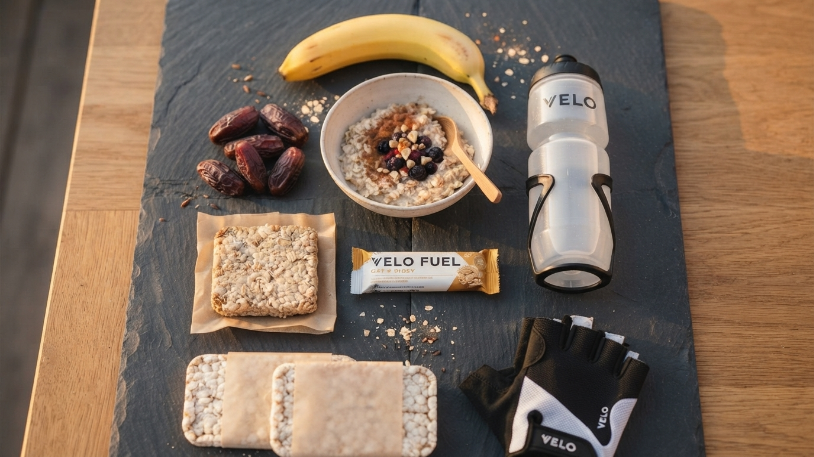
What to Eat Before and After Cycling: The Complete Guide
Most cyclists bonk, cramp, or feel sluggish not because they’re unfit — but because they’re eating at the wrong times. Knowing what to eat before and after cycling isn’t complicated, but the timing matters more than the food itself.
Whether you’re heading out for a 45-minute spin or a 4-hour endurance ride, getting right what to eat before and after cycling makes the difference between a strong performance and a survival march home.
- This guide covers what to eat before and after cycling for every ride length
- 2–3 hours before: full carb-rich meal (pasta, rice, oats) with moderate protein
- 30–60 min before: quick carbs only — banana, toast, dates
- Rides under 90 min: water only — no gels, no bars needed
- After cycling: 20–40g protein within 30 minutes to rebuild muscle
- The #1 mistake: eating too close to ride time causes stomach cramps and slows you down
What to Eat Before and After Cycling: Pre-Ride Nutrition
Pre-ride is the first part of what to eat before and after cycling — the goal is to top up your glycogen stores so you have fuel available for the effort ahead. The International Society of Sports Nutrition (ISSN) recommends 1–4g of carbohydrates per kg of body weight in the hours before exercise, depending on duration and intensity.
Timing is everything. Eating too close to your ride causes digestive discomfort and redirects blood to your gut instead of your working muscles.
2–3 Hours Before: The Pre-Ride Meal
This is your main fuel tank fill-up. Focus on complex carbohydrates that digest steadily, paired with a moderate amount of protein to prevent muscle breakdown. Keep fat low — fat slows gastric emptying and can cause heaviness mid-ride.
| Food | Carbs | Why It Works |
|---|---|---|
| Oatmeal with banana | ~65g | Slow-release oats + quick carb from banana |
| Rice with chicken | ~55g | Classic endurance meal — easy to digest |
| Pasta with tomato sauce | ~75g | High carb, low fat — ideal before long rides |
| Toast + eggs + fruit | ~50g | Balanced, protein included, fast prep |
| Granola + yogurt + honey | ~60g | Light on the stomach, good for morning rides |
30–60 Minutes Before: The Top-Up Snack
At this point your stomach needs something small and fast-digesting. The goal is to top up blood glucose without causing an insulin spike that could leave you feeling sluggish 20 minutes into the ride.
What to Eat During Cycling
Once you know what to eat before and after cycling, mid-ride fueling is the final piece. The 90-minute rule is the single most useful guideline. Research published in the Journal of Sports Sciences confirms that glycogen stores last approximately 60–90 minutes at moderate cycling intensity — meaning rides shorter than that don’t require mid-ride food at all.
Ride threshold — water only below this
Carbs per hour needed on longer rides
Minimum water per hour at moderate intensity
Rides Under 90 Minutes: Water Only
If you’re riding for under 90 minutes at moderate pace, your pre-loaded glycogen is enough. Eating during a short ride is unnecessary and counterproductive if you’re trying to lose weight — every gel you consume is 100 calories your body doesn’t need to pull from fat stores.
Trying to lose weight cycling? The 90-minute no-food rule is a core principle of fat-loss training. Read our full guide: How to Lose Weight Cycling — Zone 2 & Nutrition Plan
Rides Over 90 Minutes: Carbs Required
Beyond 90 minutes, fuel consistently to avoid the bonk. The body can absorb 60g of carbohydrates per hour from a single source (glucose), or up to 90g/hour when mixing glucose and fructose. Start eating before you’re hungry — once you feel the energy drop, you’re already behind.
| During-Ride Food | Carbs | Best For |
|---|---|---|
| Energy gel | 20–25g | Racing, high intensity — fast absorption |
| Banana | 27g | Long endurance rides — natural and easy |
| Medjool dates (3–4) | ~22g | Whole food alternative to gels |
| Energy bar | 30–40g | Moderate intensity rides, 2h+ |
| Sports drink (500ml) | 30–35g | Heat, sweating heavily — electrolytes + carbs |
What to Eat Before and After Cycling: Post-Ride Recovery
The second half of what to eat before and after cycling is recovery: replenish glycogen and rebuild muscle. According to a 2018 review in the British Journal of Sports Medicine, consuming 20–40g of protein within 30–45 minutes of completing exercise maximally stimulates muscle protein synthesis — the process that makes you stronger and more efficient on the bike.
The 30-Minute Protein Window
Your muscles are most receptive to nutrients immediately after exercise. During this window, insulin sensitivity is elevated and your body shuttles nutrients directly to muscle cells. Miss this window and recovery slows significantly.
| Post-Ride Food | Protein | Carbs | Best For |
|---|---|---|---|
| Greek yogurt + fruit | 20g | 30g | Quick recovery, easy to prepare immediately |
| Chocolate milk (500ml) | 17g | 50g | Proven 4:1 carb:protein ratio — multiple studies |
| Protein shake + banana | 25g | 27g | Convenient, fast — no cooking required |
| Eggs on toast (3 eggs) | 21g | 28g | Whole food option, good for morning rides |
| Chicken + rice (200g/150g) | 45g | 50g | Full recovery meal for hard efforts or long rides |
What to Eat — and What to Avoid — Before a Ride
- Oats / porridge
- White rice or pasta
- Banana or other fruit
- Toast with honey or jam
- Dates or dried fruit
- Eggs (boiled, scrambled)
- Sweet potato
- Plain yogurt
- High-fat foods (cheese, fried food)
- High-fibre vegetables (broccoli, beans)
- Spicy food
- Alcohol (night before counts)
- Heavy red meat
- Carbonated drinks
- Anything new or untested
A key rule for what to eat before and after cycling is simple: high carb, low fat, low fibre before riding. Fat slows digestion; fibre causes cramps at pace; anything your stomach isn’t used to is a risk you don’t need to take on ride day.
How Many Calories You Need When Deciding What to Eat Before and After Cycling
Calorie planning is part of knowing what to eat before and after cycling — needs scale with duration and body weight. The figures below are for a 70kg rider at moderate intensity (Zone 2–3). Heavier riders burn approximately 10–15% more per hour; lighter riders burn less.
| Ride Duration | Calories Burned | Mid-Ride Food Needed | Post-Ride Priority |
|---|---|---|---|
| 30–60 min | 250–420 cal | None | Protein snack optional |
| 60–90 min | 420–630 cal | None (water only) | Protein + carbs within 30 min |
| 90–120 min | 630–840 cal | 30–60g carbs from 90 min | Full recovery meal |
| 2–3 hours | 840–1,260 cal | 60g carbs/hr from 90 min | Large recovery meal + hydration |
| 3+ hours | 1,260+ cal | 60–90g carbs/hr | Full carb reload + protein, rest |
Want the best road bike for longer rides? Check our guide: Best Road Bikes 2026 — Every Budget Reviewed
Frequently Asked Questions
For rides under 60 minutes, a morning ride fasted (empty stomach, water only) is fine and can increase fat oxidation. For rides over 60–90 minutes, eat something small 30–60 minutes before — a banana or toast with honey is enough to maintain performance without digestive issues.
A carbohydrate-rich meal the evening before a long ride (3h+) helps maximize glycogen stores. Pasta, rice, or sweet potato with a lean protein source like chicken or fish is ideal. Keep fat and fibre moderate. Avoid alcohol — it disrupts sleep and impairs glycogen storage by up to 25%.
A full meal should be eaten 2–3 hours before your ride to allow complete digestion. A light snack (banana, toast) can be eaten 30–60 minutes before. Eating within 15 minutes of riding risks cramps and stomach discomfort, especially at higher intensities.
Yes — multiple peer-reviewed studies confirm that chocolate milk is an effective recovery beverage. It delivers a near-ideal 4:1 carbohydrate-to-protein ratio, contains electrolytes (sodium, potassium), and is cheaper than most commercial recovery products. 500ml provides approximately 50g carbs and 17g protein.
For rides under 60–90 minutes in cool conditions, plain water is sufficient. Electrolytes (sodium, potassium, magnesium) become important on rides over 90 minutes, in heat, or when sweating heavily. Signs you need electrolytes: muscle cramping, extreme thirst, or feeling flat despite adequate hydration.
Understanding what to eat before and after cycling is the foundation of any training plan. Related guide: Learn how to use nutrition to burn fat on the bike — How to Lose Weight Cycling: Zone 2 Training & Nutrition