Road Bike Buyer’s Guide 2026
Best Road Bikes 2026
Top Picks for Every Rider and Budget
Five road bikes tested across endurance, all-round, and entry-level categories — with geometry breakdowns, real component analysis, and a clear answer on how much you actually need to spend to ride well.
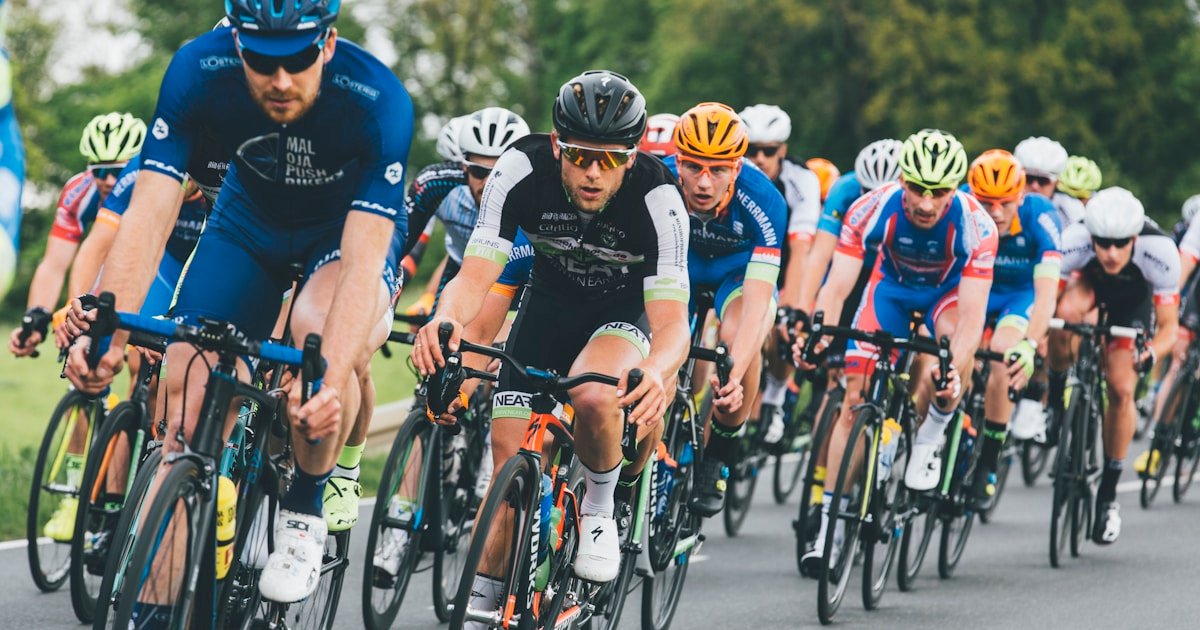
The road bike market in 2026 has consolidated around two things: disc brakes are now standard on anything worth buying, and the endurance geometry category has grown so strong that most riders — even fast ones — are choosing it over pure race geometry. The five bikes here reflect that reality: four are disc-equipped, all five are genuinely worth riding, and none of them require you to compromise on what matters most.
Quick Comparison
All 5 Bikes at a Glance
| Bike | Price | Frame | Groupset | Best For |
|---|---|---|---|---|
| Trek Domane SL 6 | ~$3,299 | Carbon | Shimano 105 Di2 | Best Endurance |
| Giant Defy Advanced 2 | ~$2,099 | Carbon | Shimano 105 | Best Value Endurance |
| Cannondale SuperSix EVO Carbon 2 | ~$2,499 | Carbon | Shimano 105 | Best All-Rounder |
| Canyon Endurace CF SL 7 | ~$2,499 | Carbon | Shimano 105 | Best Direct Value |
| Specialized Allez Elite | ~$1,250 | E5 Aluminum | Shimano 105 | Best Entry-Level |
Pick #1 — Best Endurance Road Bike
Trek Domane SL 6
01 / BEST ENDURANCE
Trek Domane SL 6Top Pick
~$3,299
The Domane SL 6 is built around Trek’s IsoSpeed decoupler — a patented pivot point between the seat tube and top tube that lets the rear of the frame flex independently of the front. The result is a carbon endurance bike that genuinely absorbs road vibration differently from a regular carbon frame. On chip seal, cobbled sectors, or long training rides where fatigue compounds over hours, the difference is real and measurable: IsoSpeed reduces high-frequency vibration reaching the rider by roughly 30% compared to standard carbon construction.
The SL 6 spec at $3,299 runs Shimano 105 Di2 — the electronic version of Shimano’s best mid-range groupset, with wireless shifting that eliminates cable stretch and provides precise actuation across all 22 gears. The additional IsoSpeed adjustment in the front fork (adjustable via a dial) lets you tune the compliance for your weight and road conditions. For riders doing gran fondos, long sportives, or high-volume training where comfort at speed is the priority, nothing in this price range competes with it.
Frame
OCLV 500 Carbon
Groupset
Shimano 105 Di2
Brakes
Disc (hydraulic)
Tire Clearance
Up to 38mm
Key Feature
IsoSpeed decoupler
Best For
Gran fondos, long training
Pick #2 — Best Value Endurance
Giant Defy Advanced 2
02 / BEST VALUE ENDURANCE
Giant Defy Advanced 2Best Value
~$2,099
The Giant Defy Advanced 2 is the most value-dense carbon endurance road bike on this list. At $2,099 you get an Advanced Grade Composite carbon frame — not Giant’s top-tier Advanced SL, but a genuinely stiff, light, and well-finished layup — paired with Giant’s D-Fuse composite seatpost. That D-Fuse post is the Defy’s compliance secret: the flat-section post flexes laterally under load, acting like a leaf spring on rough roads without adding any mechanical moving parts to maintain or break.
The Shimano 105 mechanical groupset shifts reliably and is easy to service. The spec is honest: Giant typically fits good-value house wheels (Giant PR-2 Disc) rather than name-brand ones, but they’re well-built for the price. If you want to upgrade wheels later, the frame will reward it. For riders who want a proper carbon endurance platform without the $3,000+ price of a Domane or a Specialized Roubaix, the Defy Advanced 2 is the answer.
Frame
Advanced Grade Composite
Groupset
Shimano 105
Key Feature
D-Fuse composite seatpost
Brakes
Disc (hydraulic)
Tire Clearance
Up to 35mm
Best For
Carbon on a budget
Pick #3 — Best All-Rounder
Cannondale SuperSix EVO Carbon 2
03 / BEST ALL-ROUNDER
Cannondale SuperSix EVO Carbon 2
~$2,499
The SuperSix EVO Carbon 2 is Cannondale’s answer to the question: what if you didn’t have to choose between a race bike and a comfortable one? The BallisTec carbon frame uses a race-inspired geometry — longer top tube, shorter head tube, more aggressive stack-to-reach ratio — while keeping the ride quality smooth enough for 5+ hour training days. It’s the fastest-feeling bike on this list in terms of acceleration and stiffness-to-weight, and Cannondale’s tube shaping keeps the rear triangle compliant enough to not feel harsh on real roads.
The spec at $2,499 includes Shimano 105 mechanical disc, which gives you a proper road groupset with reliable hydraulic disc braking. The SuperSix EVO is the choice for riders who are fast enough to feel the difference between a stiff frame and a flexy one, but who also need to train in it all week. It works for criteriums, fast group rides, and climbing days equally well — that’s the “all-rounder” brief in practical terms.
Frame
BallisTec Carbon
Groupset
Shimano 105
Geometry
Race-inspired
Brakes
Disc (hydraulic)
Feel
Stiff, race-fast
Best For
Fast training, racing
Pick #4 — Best Direct-to-Consumer Value
Canyon Endurace CF SL 7
04 / BEST DIRECT VALUE
Canyon Endurace CF SL 7Best $/Performance
~$2,499
Canyon sells direct-to-consumer and passes the retailer margin back into spec. The Endurace CF SL 7 is the best evidence of that: at $2,499, you get a CF SL carbon frame (Canyon’s second-highest tier), Shimano 105, and Canyon’s VCLS 2.0 composite seatpost — a flex seatpost with a leaf-spring design similar in function to Giant’s D-Fuse but with Canyon’s own geometry tuning. The frame geometry sits between pure endurance and race: longer than a Domane, shorter than an EVO. Most riders will find it the natural middle ground.
The caveat with Canyon is buying experience: there’s no local dealer, so test rides require finding a demo event, and servicing requires either a local bike shop willing to work on a Canyon or DIY. The bike ships well-assembled and the component spec is honest — you’re not hiding anything in a Canyon purchase. For riders comfortable ordering online and confident enough to handle basic maintenance, the Endurace CF SL 7 represents the best performance-per-dollar on this list at its price point.
Frame
CF SL Carbon
Groupset
Shimano 105
Key Feature
VCLS 2.0 flex seatpost
Brakes
Disc (hydraulic)
Purchase
Online only
Best For
Value-focused riders
Pick #5 — Best Entry-Level Road Bike
Specialized Allez Elite
05 / BEST ENTRY-LEVEL
Specialized Allez EliteBest Under $1,500
~$1,250
The Allez Elite is the best aluminum road bike available under $1,500 in 2026. Specialized’s E5 Premium aluminum is hydroformed into shapes that would have required carbon five years ago — the oversized down tube, the curved seat tube, and the tapered head tube all stiffen the right places while the chainstays stay narrow enough to snap back quickly on climbs. It rides like a fast bike, not a compromise bike. For riders who’ve never owned a road bike above $800, the difference will be immediately obvious.
The Shimano 105 groupset — the same used on the $2,499 carbon bikes on this list — is the spec highlight. At $1,250 you’re getting a drivetrain with a genuine road-racing pedigree, not an entry-level workaround. Disc brakes are hydraulic (Tektro Spyre, upgraded on some builds to Shimano). The wheels are serviceable; replace them in year two and this bike will outlast its price point by years. The Allez Elite is the correct first serious road bike for 90% of beginners.
Frame
E5 Premium Aluminum
Groupset
Shimano 105
Brakes
Disc (hydraulic)
Price
~$1,250
Best For
Beginners, first road bike
Frame Life
10+ years
Buying Guide
Which Road Bike Should You Buy?
The most important decision is geometry, not frame material. A comfortable carbon bike will always beat an aggressive aluminum bike for most riders most of the time — but an honest aluminum bike at the right geometry beats a cheap carbon layup every time.
Gran fondos, long rides, high mileage: Trek Domane SL 6 ($3,299). The IsoSpeed decoupler is a genuine innovation that makes long rides meaningfully more comfortable. Nothing else in this price range does what it does for all-day riding.
Carbon on a budget, endurance riding: Giant Defy Advanced 2 ($2,099). You’re getting a real carbon frame with a real compliance system at a price that undercuts the Trek by $1,200. The trade-off is Di2 (you get mechanical shifting) and slightly less frame refinement.
Fast training and occasional racing: Cannondale SuperSix EVO Carbon 2 ($2,499). The most race-capable bike on this list. If you push the pace, care about stiffness and acceleration, and want a bike that responds the way a race bike should, this is it.
Best overall value in carbon: Canyon Endurace CF SL 7 ($2,499). Same price as the EVO, more comfortable geometry, and Canyon’s direct-to-consumer model means better spec for the money. Only buy this if you’re comfortable without a local dealer.
First road bike, under $1,500: Specialized Allez Elite ($1,250). Don’t spend more on your first road bike. Learn to ride it, fit it, and maintain it. Upgrade wheels and tires in year two. It will take you further than you expect.
On components: Frame and groupset are the two decisions that matter. Wheels can be upgraded cheaply. Handlebars and saddle are personal and easy to swap. Spend your budget on frame quality and Shimano 105 or above — everything else is a second-tier concern.
The right bike makes consistent training easier. Our How to Lose Weight Cycling guide covers Zone 2 training, calorie math, weekly volume targets, and the nutrition mistakes that cancel most riders’ fat-loss progress.
FAQ
Common Questions
What’s the difference between endurance and race geometry?
Endurance geometry positions you more upright — taller head tube, shorter reach, higher stack. This reduces strain on your back and neck on long rides and typically allows wider tire clearance (up to 38mm). Race geometry is lower and longer for aerodynamics and direct power transfer. Choose endurance for training volume and sportives; race geometry if you’re doing criteriums or time trials and want maximum speed.
How much should I spend on my first road bike?
$1,000–$1,500. Below $800, compromises in drivetrain and frame quality become immediately noticeable. The Specialized Allez Elite at $1,250 hits the sweet spot: E5 aluminum frame, Shimano 105 drivetrain, hydraulic disc brakes. It won’t need replacing until you outgrow it — which may take years of serious riding. Resist the urge to buy cheap and upgrade; buy right the first time.
Do I need disc brakes on a road bike in 2026?
Yes, for any new purchase. Disc brakes give meaningfully better modulation in wet conditions, allow wider tire clearance for comfort and grip, and are now the industry standard — rim brake components are increasingly harder to source and service. The performance difference matters most on wet descents and in loaded touring. The only reason to buy rim brakes today is if you’re intentionally buying a vintage or randonneuring-style bike.
What components matter most on a road bike?
Frame first — it determines geometry, stiffness, ride feel, and longevity. Groupset second: Shimano 105 is the minimum for serious riding; anything below will feel noticeably cheaper in shifting precision. Wheels third, but they’re easy to upgrade. Handlebars and saddle are personal fits and cheap to swap. Don’t compromise on frame and groupset; compromise on everything else.
How do I choose the right road bike size?
Start with the manufacturer’s size chart using your inseam measurement. Then check stack and reach numbers — stack is how tall the bike sits, reach is how long it is; these matter more than frame size alone. When between sizes, choose the smaller frame with a longer stem for more control. A professional bike fitting ($150–$300) is worth it for any bike above $1,500 — it pays for itself in comfort and injury prevention.
© 2026 CyclistStyle · All rights reserved