Best Road Cycling Shoes 2026:
Tested From Budget to Pro
Road cycling shoes are one of the most impactful upgrades you can make. The right pair improves power transfer, reduces foot fatigue, and keeps your pedal stroke efficient over long distances. The wrong pair does the opposite — hot spots, numb toes, and wasted watts.
We tested and ranked the best road cycling shoes available in 2026, covering every budget from entry-level SPD-SL picks under $100 to stiff carbon race shoes worn by WorldTour pros. Whether you’re a commuter, century rider, or weekend racer, there’s a pair here for you.
What Makes a Good Road Cycling Shoe?
Road shoes are designed around one goal: maximum power transfer from your foot to the pedal. Every design decision — sole stiffness, closure system, cleat position — is made with that in mind.
Sole Stiffness (BOA Index)
Measured on a 1–12 scale, sole stiffness determines how much energy is lost to flex during your pedal stroke. Budget shoes typically score 4–6. Mid-range models hit 8–10. Carbon race shoes reach 12. For most riders doing rides under 3 hours, an 8+ is more than sufficient.
Closure Systems
Velcro is dead. Modern road shoes use one of three systems: BOA dials (micro-adjust on the fly), ratchet buckles (secure, easy to use), or lace-style straps. BOA is the gold standard — you can tighten mid-ride without stopping.
Cleat Compatibility
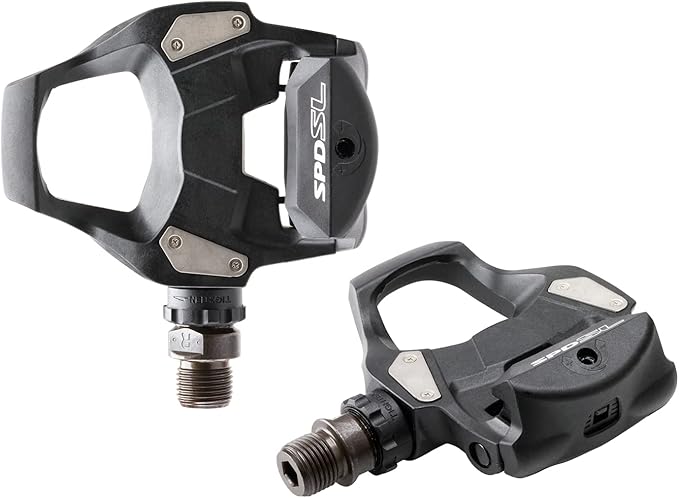
Road shoes use 3-bolt cleat patterns. The most common is Shimano SPD-SL (also compatible with Look Keo cleats). If you already own pedals, buy shoes that match. If starting fresh, Shimano SPD-SL is the safest choice — widest compatibility, easiest to find parts.
Best Road Cycling Shoes 2026 — Comparison
| Shoe | Price | Sole | Closure | Best For |
|---|---|---|---|---|
| Shimano RC3 | ~$90 | Stiff nylon | BOA + velcro | Beginners / commuters |
| Shimano RC5 | ~$140 | Carbon-composite | 2x BOA | Sportive riders |
| Giro Regime | ~$160 | Carbon-composite | BOA + strap | All-day comfort |
| Shimano RC7 | ~$220 | Full carbon | 2x BOA | Serious amateurs |
| Giro Imperial | ~$400 | Full carbon | 2x BOA | Racers / gran fondo |
Quick tip: If you ride more than 100km per week, don’t buy the cheapest option. The RC5 at $140 offers carbon-composite stiffness that makes a noticeable difference on climbs. The RC3 is fine for casual riders and commuters.
Our Top Pick: Shimano RC3 SPD-SL
For most cyclists entering the clipless world, the Shimano RC3 is the right first shoe. It uses a glass fiber reinforced nylon outsole that’s significantly stiffer than typical entry-level options, combined with a BOA dial and velcro strap closure that stays snug over long rides.
The fit runs slightly narrow — if you have wide feet, size up half a size or look at the Shimano RC3W (wide last). The rubber heel grip is a thoughtful touch for awkward café stops where you need to walk 20 meters without slipping.
How to Choose Your Size
Cycling shoes fit differently from running shoes. Your foot should feel snug with zero heel lift, but your toes should not be pressing the front of the shoe on the downstroke. Most cyclists wear their normal street shoe size, but some brands (especially Italian ones like Sidi) run narrow and short — check brand-specific sizing charts.
Width Matters More Than You Think
A shoe that’s too narrow will cause hot spots on your metatarsals within an hour. Try shoes on at the end of the day when your feet are slightly swollen. Wear your cycling socks. Walk around — the BOA should close evenly without creating pressure points on either side.
Cleat Position Setup
After buying, spend 15 minutes getting cleat position right. Place the cleat so the ball of your foot sits directly over the pedal axle. Incorrect cleat position is the number one cause of knee pain in new cyclists — more than saddle height. If in doubt, book a basic bike fit or watch a cleat setup video specific to your pedal brand.
Frequently Asked Questions
Not unless you’re racing or doing rides over 4 hours regularly. Carbon soles offer maximum stiffness and minimum weight, but the difference is only noticeable at high power outputs. For most riders, a carbon-composite or stiff nylon sole at $90–$150 is perfectly adequate.
No. SPD is a 2-bolt system designed for mountain biking and commuting — smaller cleat, easier to walk. SPD-SL is a 3-bolt road system with a larger cleat platform for better power transfer. Road cycling shoes use SPD-SL or Look Keo (also 3-bolt). Do not try to mount an SPD cleat on a 3-bolt road shoe.
The sole and upper of a quality road shoe will last 5–8 years with normal use. What wears out faster are the cleats (replace every 10,000–15,000 km) and the BOA laces (replaceable for free via Shimano or BOA’s warranty program). Don’t throw out a good pair of shoes just because the lace broke.
Not really. Road cycling shoes are designed for riding, not walking. The rigid sole and exposed cleat make walking on hard surfaces awkward and loud. For rides involving significant walking (cobblestones, gravel cafés), consider SPD shoes with recessed cleats or carry cleat covers. The Shimano RC3 has a rubber heel pad that helps slightly.
More From CyclistStyle
Recent Posts
Want gear picks in your inbox?
Weekly reviews and buyer’s guides for road, MTB and e-bike riders.
Browse All Reviews →