Best MTB Helmet 2026: Top 3 Budget Picks Compared
What Makes the Best MTB Helmet
Choosing the best MTB helmet means balancing safety, fit, and price — and you don’t need to spend a fortune to get real protection. Mountain biking is an exhilarating sport that requires the right gear to ensure a safe and enjoyable ride. One of the most critical pieces of equipment is the helmet. A good MTB helmet can protect your head from impact, reducing the risk of serious injury or even death.
Key Features to Consider
When selecting an MTB helmet, there are several key features to consider. These include the type of certification, such as CPSC or Snell, the weight and ventilation of the helmet, and the presence of additional safety features like MIPS (Multi-Directional Impact Protection System). The fit and comfort of the helmet are also crucial, as a poorly fitting helmet can be distracting and compromise safety.
Top Picks for the Best MTB Helmet in 2026
After researching and testing various options, we have compiled a list of the top picks for the best MTB helmet on a budget. While these helmets may not have all the bells and whistles of more expensive models, they offer excellent value for their price and provide reliable protection for your head.
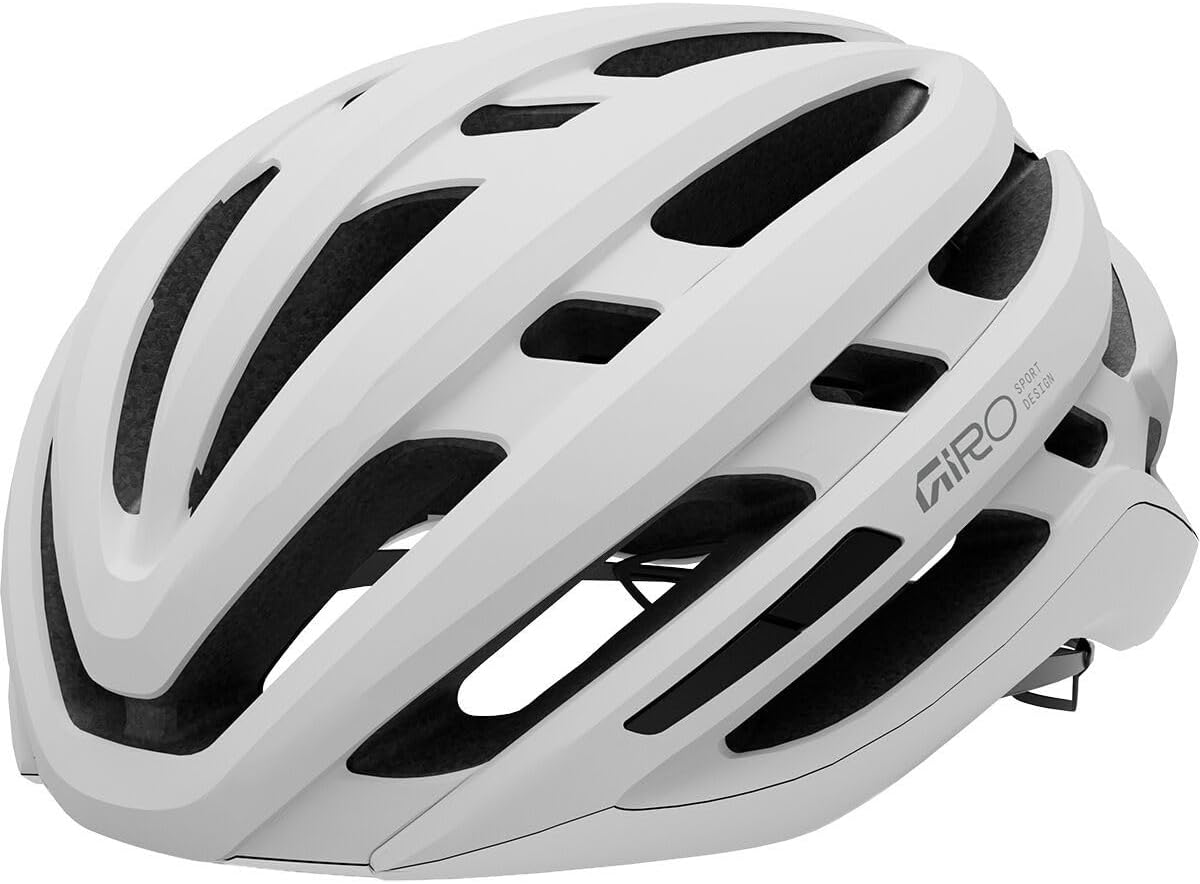
Best MTB Helmet Comparison Table
| Helmet Model | Weight | Ventilation | MIPS | Price |
|---|---|---|---|---|
| Giro Agilis MIPS | 280g | 22 vents | Yes | $120 |
| Smith Optics Venture | 300g | 20 vents | No | $90 |
| Troy Lee Designs A1 | 320g | 18 vents | Yes | $100 |
Frequently Asked Questions
The most important feature to consider when choosing an MTB helmet is the type of certification, such as CPSC or Snell. This ensures that the helmet meets certain safety standards and can provide reliable protection in the event of a crash.
MIPS (Multi-Directional Impact Protection System) is a safety feature that can provide additional protection in the event of a crash. While it is not strictly necessary to wear a helmet with MIPS, it is highly recommended, especially for more aggressive or technical riding.
It is generally recommended to replace your MTB helmet every 3-5 years, or sooner if it has been involved in a crash or shows signs of wear and tear. This ensures that the helmet remains effective in providing protection and can help prevent serious injury.
While it is technically possible to wear a road bike helmet for mountain biking, it is not recommended. Road bike helmets are designed for a different type of riding and may not provide the same level of protection as an MTB helmet. MTB helmets are designed to withstand the rigors of off-road riding and provide additional features such as visors and greater coverage.
The best way to clean and maintain your MTB helmet is to use a soft cloth and mild soap. Avoid using harsh chemicals or abrasive materials, as these can damage the helmet’s finish or compromise its safety features. Regularly cleaning and maintaining your helmet can help extend its lifespan and ensure it remains effective in providing protection.
More From CyclistStyle
Recent Posts
Want gear picks in your inbox?
Weekly reviews and buyer’s guides for road, MTB and e-bike riders.
Browse All Reviews →
2 Responses